
Gentrification: The Good, The Bad, The Ugly
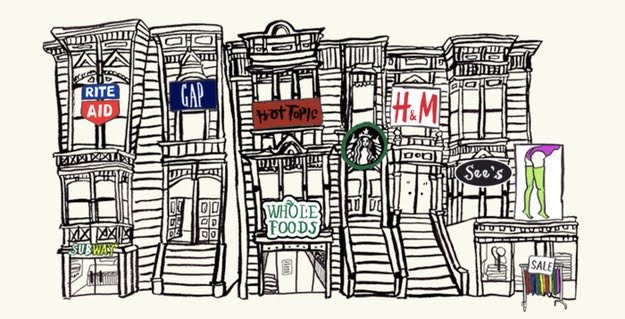
Gentrification has been a longstanding issue for many years, often leading to the displacement of long-time residents in major cities across the nation. As neighborhoods undergo transformation and become increasingly expensive, residents who cannot afford the rising costs of living are frequently forced to relocate. This displacement not only affects the population but also alters the cultural fabric of the neighborhood. Gentrification leads to a reduction in social diversity and exacerbates the gap between the wealthy and the poor within cities.
Yet, viewed from an alternate standpoint, gentrification can also yield advantages for cities, often associated with urban revitalization and socioeconomic advancement. These revitalization efforts frequently involve the introduction of more green spaces, contributing to the beautification of neighborhoods. Economically, as higher-income individuals move into these areas, they patronize local businesses, thereby bolstering their success. This influx of economic activity improves the overall quality of life in the neighborhoods, as more funds are allocated for activities and job creation.
Gentrification has been taking over in New York specifically. In a study held by the Interactive Urban Displacement Project by Berkeley and graduate students of the Center for Urban Science and Progress of New York University, approximately 12 percent of impoverished neighborhoods are experiencing gentrification developments in their area while 9 percent have been displaced. In New York, there are 314 “super-gentrified” areas throughout Manhattan, Brooklyn, and Queens. 71 of those 314 neighborhoods have fully transformed from low-income to high-income communities. Yet, it is the people of color and minorities that are facing the repercussions of gentrification the most.
At Oye, we deeply value the significance of neighborhoods and preserving their histories. Our program, Taxilandia, serves as a multi-city exploration of gentrification, where we engage with locals to uncover the authentic stories and truths behind their communities and the impacts of gentrification. By listening to these narratives firsthand, shared from the backseat of a taxi, individuals open up in a unique and visually compelling manner. It is crucial to not only hear these stories but also to truly listen to the voices of the communities affected. While neighborhood evolution may be inevitable, it is crucial to uphold the legacy, respect, and remember of what these neighborhoods once were, ensuring they do not undergo a complete transformation.
SOURCE: https://www.urbandisplacement.org/maps/new-york-gentrification-and-displacement/