
The Impact of The Arts on Those Incarcerated
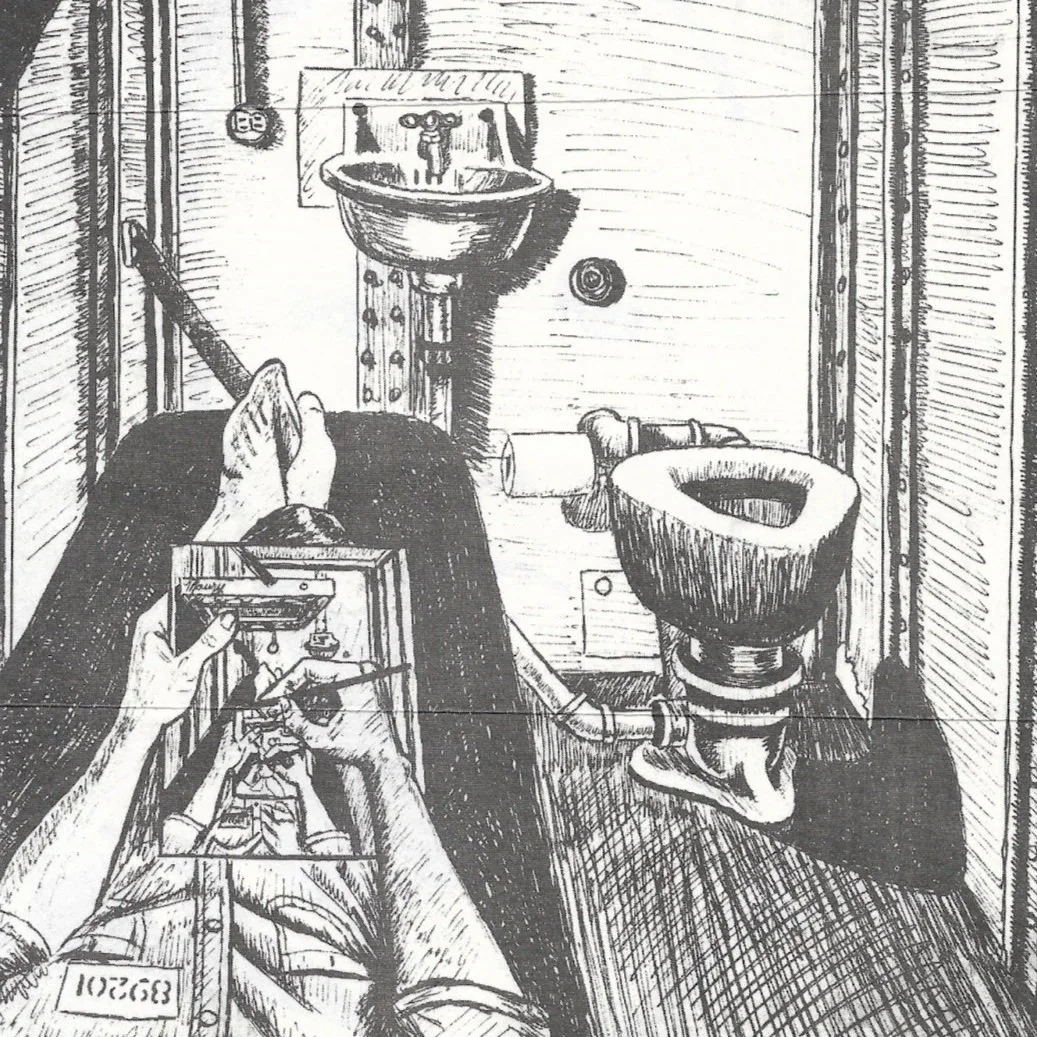
Those who are imprisoned frequently face the consequences of their incarceration, highlighting the necessity for assistance to cultivate positive mindsets and skills crucial for a successful return to the real world. The implementation of arts programs has demonstrated significant impacts on inmates, influencing their identity, behavior, and mindset. The arts provide educational avenues leading to enhanced writing skills, creativity, motivation, and a broader academic outlook. Many inmates who have committed serious crimes often find themselves in environments lacking educational support, which contributes to their involvement in illegal activities. However, through artistic outlets, inmates encounter fresh perspectives that can motivate them and divert them from negative influences. The arts allow individuals to immerse themselves in something that not only distances them from their troubled past but also inspires them toward a more fulfilling and healthy lifestyle.
From a scientific perspective, the arts exert a profound influence on the development of the right side of the brain, fostering greater critical thinking skills and emotional self-regulation. Additionally, apart from promoting mindfulness, engagement in the arts also encourages discipline. By serving as a gateway to enhanced self-esteem and personal growth, the arts enable individuals to confront their past while simultaneously honing new skills, thereby facilitating a positive mental outlook. This exposure to the arts serves as their initial steps back into society, enabling them to connect with civilization through artistic expression, whether it involves performing in shows, showcasing artwork, or participating in public readings. As individuals interact more with the community, they can gradually rebuild their lives in a fresh environment.
A study conducted by the Impact of Prison Arts Programs implemented various artistic endeavors across several correctional facilities. Including poetry classes at San Quentin State Prison, a writing course at New Folsom State Prison, a Shakespeare theater program at San Quentin State Prison, and a visual arts class at the Correctional Training Facility. Participants enrolled in the 12-week program expressed their motivation to learn new skills, foster creativity, and discover newfound purpose. Regardless of their prior exposure to the arts, inmates were interviewed after completing the program, revealing significant improvements in self-confidence, motivation, time management, and emotional regulation. Similarly, at Oye, we strongly advocate for the importance of a Fresh Start, our arts educational program aimed at supporting youth currently in juvenile programs. Through workshops focusing on theater, monologues, scene work, and poetry, we equip them with diverse skill sets to explore artistic development while simultaneously preparing them for real-world challenges.
SOURCE: https://www.cjcj.org/media/import/documents/brewster_prison_arts_final_formatted.pdf