
Impact of the Arts on the Gentrified Population
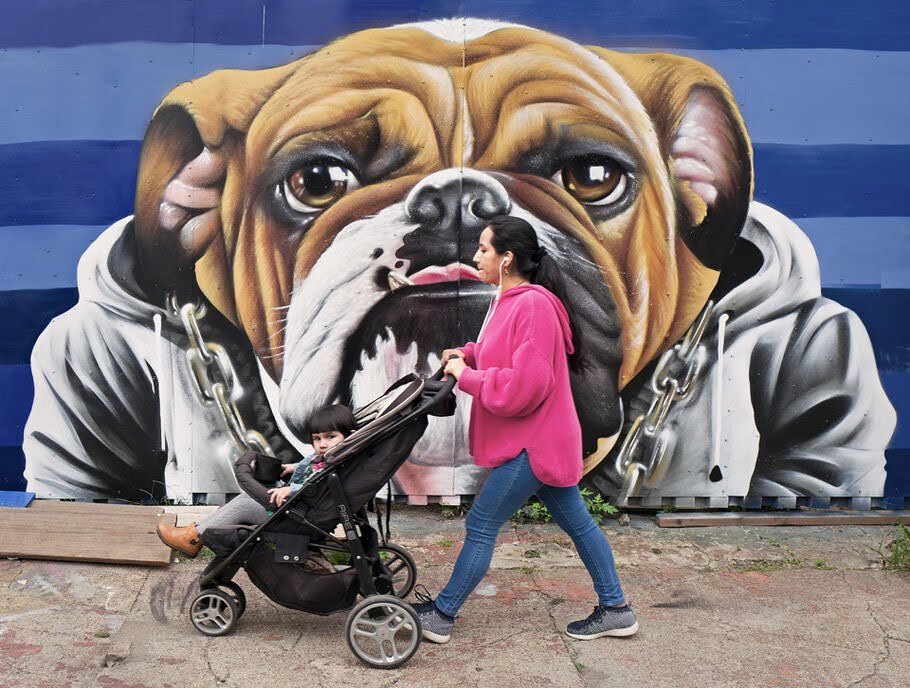
Baby Carriage & Tongue, Bushwick
When examining the intersection of art and gentrification, it's often portrayed as a complex dynamic. Art can simultaneously be seen as a sign of cultural decline and a driving force behind gentrification. The establishment of art galleries, studios, music venues, and other artistic spaces can kickstart the revitalization of lower-income neighborhoods. This leads to urban renewal and eroding local culture. Yet, the connection between art and gentrification raises questions. Art has long been ingrained in minority and low-income communities, so how does this new surge of artistic expression become intertwined with gentrification? In the 1950s and 1960s, art was a beacon of avant-garde movements, embodying rich cultural expressions. However, contemporary art, particularly in urban settings, diverges from this once-vibrant cultural landscape. Today, as the art market expands, the demographic of participants and residents in these neighborhoods shifts. Art itself transforms, becoming more commercially driven and linked with money. Nevertheless, art doesn't necessarily have to be associated with this phenomenon. Instead, it can serve as a remedy to unite people, rather than create divisions among them.
It's crucial to acknowledge that the arts possess the capacity to foster positive community engagement and inclusivity. Rather than attributing gentrification to the arts, we can view them as instruments for bringing diverse communities together. By championing diverse voices and perspectives, the arts can serve as catalysts for social bringings and neighborhood revitalization, promoting a more inclusive and vibrant urban landscape. As the evolution of gentrification is inevitable, it is through art that can be used as an outlet to truly preserve the community's hearts and voices.
How can we achieve this goal? The answer varies depending on the community and its unique values. At Oye, we utilize art as a means of community engagement. Through art workshops, we foster participation from the entire neighborhood, using the created art to adorn the city. This provides a platform for individuals to express their personal stories. Additionally, we recognize the importance of preserving the cultural heritage of the original residents amidst gentrification. Taxilandia, one of Oye's projects, exemplifies this preservation effort by facilitating meetings with residents in Taxi cabs to hear their stories and perspectives on the city's evolution. While gentrification is inevitable, moments like these allow for the preservation of culture. Minority communities must not be overlooked, as they play a crucial role in combating the effects of gentrification. By listening to their stories and integrating all members into the community, we can work towards mitigating the impact of gentrification.